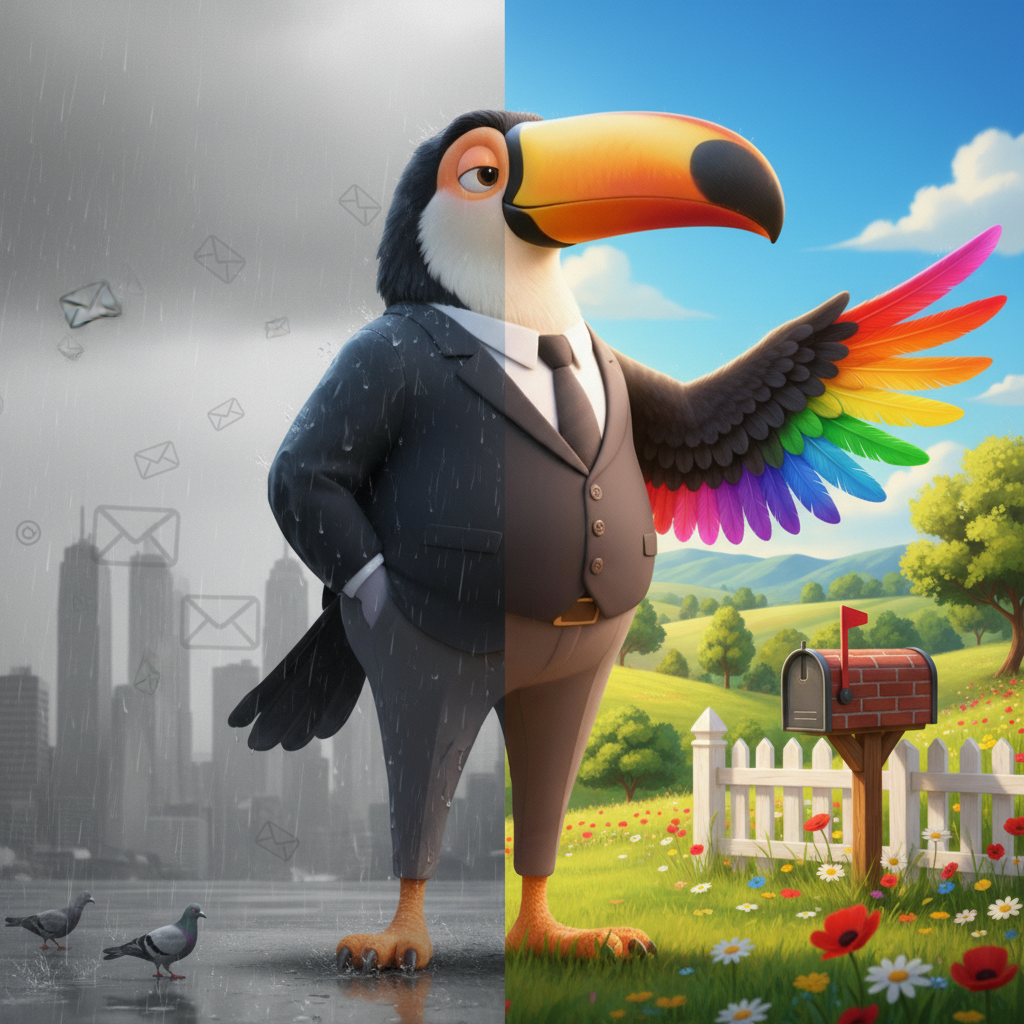
The Return of Direct Marketing in 2026: How smart timing and genuine attention are reshaping the channel
Direct marketing is in its element. After years of digital burnout and algorithmic overload that leaves inboxes overflowing, brands are desperate for ways to connect that feel properly human. What is old is becoming new again, but this time it has smarter systems and sharper intent. This is not nostalgia, it is proper strategy.
What is driving the shift?
The short answer is fatigue. Audiences are tired of loud, forgettable campaigns that treat everyone the same. Direct marketing today is leaning back into its strengths. The combination of personalisation and tangibility, delivered with smart timing, gives you the best chance of getting through to that customer. Whether it is a postcard landing days after a product view or a tailored mailer following a lapsed subscription, relevance is the new requirement. The focus has moved from reach to resonance.
Print is back but smarter this time
Printed communications are no longer just about brand awareness, they are tactical nowadays. Brands are sending fewer pieces but making each one count. Postcards with real product content, customer names and trackable QR codes are becoming part of integrated journeys. Tools like Toucan automate this with ease. You set a trigger, such as browsing behaviour or a missed purchase, and the platform does the rest. No manual lists and no heavy lifting. The message arrives when it matters, that is the difference.
People want less noise, more value
Data shows audiences are more likely to open something they can hold. But even that comes with expectations. If the message is not useful or timely, it will not stick. That is why 2026 is seeing a rise in permission led, purpose first marketing. The era of sending just in case is over. When customers feel seen, they respond. Direct marketing has not just caught up to that, it is now leading the line.
Click here to see how we have helped brands with delivering their customers more value.
Where it is heading
Campaigns built around behaviour, not assumptions
Mail used as a response, not a reminder
Brand voice carried consistently across digital and print
Integrated journeys that combine channels seamlessly
Greater respect for data, consent and attention spans
Brands doing this well are building better loyalty, not just better ROI.
In Summary
Direct marketing in 2026 is not about more, it is about better and more efficient. As brands slow down and simplify, personalising their approach, print is their answer. The brands that rise will be the ones who listen, not shout. The ones who deliver value, not volume. In a world full of noise, relevance is the sharpest tool you have.
